Showing posts with label Outdoors. Show all posts

Tuesday, 18 August 2026

We're Going on a Bear Hunt sculpture trail in Scunthorpe!

When I first saw on social media that there was going to be a We're Going on a Bear Hunt sculpture trail in Scunthorpe, I knew I wanted to go and have a look. I don't have little children anymore but that didn't matter. I love anything that gets us out and about and it sounded like a fun way to spend a day with Ellie.

Bear sculpture outside of the train station

From 11th July until 1st September, ten giant decorated bear sculptures based on the much-loved We're Going on a Bear Hunt story have been placed around Scunthorpe town centre, with eight smaller bear cub sculptures dotted around local attractions too. Each bear has its own unique design, giving families something different to discover as they make their way around the trail.

Ellie and I decided to make a day of it, head into town, have a bit of brunch and then see how many bears we could find. We had no real plan apart from a starting point and a vague idea of where we were heading. I sensibly had a map on my phone with the location of the bears and off we went! We started off full of energy, convinced we'd find every single one in no time at all. It didn't quite work out like that.

Decorated bears

We saw our first bear just as we got off the bus. We weren't the only ones hunting for bears. There was a queue to get a photo. The only difference between us and the other people was that they had a car and we heard them saying they were driving to the park to hunt for more. Ellie and I decided that was cheating. If you were hunting bears you should walk and walk, we did.

After the bear outside the theatre we made our way to North Lincolnshire Museum for the next bear. Well tried to. We got a little lost but found ourselves exploring streets we had never been down before. After the museum, we knew where we were going, the train station, leisure centre and then onto the university campus to find our first bear cub. That was a bit of a puzzle. We knew what we were looking for with the big bears but the bear cubs were much smaller and hidden away in the windows of buildings. By now we had walked around a mile and a half.

Bears on the sculpture trail
Little bear cubs

Next up was Central Park! It covers around 55 acres (22 hectares) making it the town's largest and most well-known park. It was lovely to have a break from the busy town centre. We strolled along past pretty flowerbeds, decorations and of course, the big water fountain until we realised we were heading in the wrong direction. oops! We needed to be in the bug area, which is a small wildlife-friendly space that's been created to encourage insects and other mini beasts to make themselves at home. I think this was the prettiest bear of all the ones that we saw! Every bear had its own personality and style. You could tell that so much thought had gone into each one, and it made the trail much more interesting than if they'd all looked the same.

A nature inspired bear

We carried on through the park and found another and then we got a little stuck. We couldn't find the next one even after walking for a bit. We had a sit down for a think and to have a look at the map and spotted it in the distance. Hooray! Every time we found another bear we'd get a little burst of excitement. Then it was straight over for a closer look and, of course, a photo. I'm pretty sure anyone watching us would have known exactly what we were doing because every few minutes we'd suddenly change direction after spotting another bear in the distance.

A decorated bear on the Scunthorpe bear trail

The weather helped too. It wasn't too hot, which made all the walking much easier. If we'd picked one of those red hot summer days, I think we might have given up halfway through. After walking around the park, we had probably walked another 2 miles.

After a half-hour walk back into town, we found another bear cub, two more big bears and called it a day! We'd managed to find 9 out of the 10 big bears and 2 out of the 8 bear cubs, which I was quite pleased with. Of course, I would have liked to have found them all but we had run out of energy.

The last two bears that we found

The walking did seem so much easier when we had something to look for. If someone had told me to simply walk around town for hours, I wouldn't have fancied it but a bear hunt and suddenly walking for miles doesn't seem like such a big deal.

Have you ever been on a sculpture trail?

Thursday, 28 May 2026

Things I pretend I understand about gardening!

There are lots of things about gardening that I nod along to, smile about and pretend to understand. I love gardening, I really do. I like getting my hands dirty, buying plants with lots of hope and then watching to see what survives but there is so much that I don't understand. Today I thought I’d share the things I pretend I understand about gardening.

Things I pretend I understand about gardening

Soil types!
Clay, loam, sandy, chalky. People say these words with confidence, like they were born knowing what’s under their lawn. Me, I dig a hole and think, yep, that’s dirt! Apparently, soil type affects drainage, nutrients and plant happiness. I get the idea but when someone says, "This won’t do well in a certain soil," I nod like I’ve tested mine in a lab rather than poked it with a spade and shrugged.

Pruning!
Pruning is one of those gardening skills that sounds very serious. There are rules, seasons, angles and words like "node" and "deadheading" get thrown around and I smile politely. In reality, my pruning style is best described as chopping it and seeing what happens. If it looks messy, it gets cut, if it’s poking me in the eye, it definitely gets cut and if it hasn’t done anything exciting for months, snip. I know you’re meant to prune at the right time, or you risk ruining next year’s flowers. I pretend I know when that is but half the time I’m stood there with secateurs thinking this feels like the right moment. Sometimes it works and sometimes the plant dies and I pretend that was part of the plan.

Annuals vs Perennials!
I always think I know the difference between annuals and perennials. Then spring rolls around and I’m standing in the garden centre thinking, will this come back next year or am I committing to buying this again? Annuals are for one season, gone forever and perennials come back every year. Simple! Then every single year I forget!

Feeding plants!
Plants need food. That makes sense but the advice around feeding is wild. Feed weekly, feed monthly, don’t overfeed but also don’t forget. There's liquid feed, slow release and tomato feed for everything. I pretend I have a system. I do not! What I actually have is a vague memory that I fed something recently and a fear that I might burn the roots if I do it again. Sometimes I stand there holding a bottle of feed thinking you look hungry, which is probably not how it works. Other times I forget completely and then panic feed everything at once!

Latin plant names!
I love plants, I love flowers and I love a walk around the garden centre, but the Latin names are not for me. I admire people who casually drop them into conversation. "Oh yes, my Lavandula angustifolia is doing well." All while I am saying things like I like, the purple smelly one! I pretend I recognise the names when reading labels but really I’m scanning for pictures and the words “easy care. If a plant needs me to remember a complicated name and keep it alive, that’s asking a lot.

Companion planting!
Companion planting is fascinating. Did you know that some plants help others grow, some keep pests away and some don’t get along? It’s all the garden friendship drama! I love the idea of planting things strategically so they support each other. I pretend I understand which plants should be neighbours but in reality, I just plant things where there’s space and hope they sort it out themselves.

Knowing when something is established!
People say things like "Once it’s established, it’ll be fine." When is that exactly? A week, a month, a year? I pretend I know when a plant has crossed the line into being self-sufficient. What actually happens is I either water it forever out of fear or forget about it entirely because it looked okay last time. Sometimes a plant survives despite me and other times it clearly needs more attention and I apologise to it quietly while pulling it out.

Garden tools!
There are so many tools. Apparently, each one has a specific purpose and makes life easier. I pretend I know which one to use when. Half the time, I grab whatever is closest and make it work. I own tools I’ve used once and tools I use for everything they were never designed for. I only found out a little while ago that there is a difference between a spade and a shovel!

Pests and beneficial insects!
I know we’re meant to welcome certain insects into the garden. They’re helpful, they keep things balanced and I get it and I support it from a distance. When someone points out the benefits of insects, I pretend I know what they're on about but in my head I think, as long as you’re not eating everything, we’re fine! Me and slugs are not friends. I’ve tried to be calm and nature loving about it but when they eat something I’ve been proud of, I am ready to fight!

Gardening for me is less about knowing everything and more about just having a go. I pretend I understand a lot because that’s half the fun. I learn as I go, make mistakes and laugh at myself a lot.

What don't you understand about gardening?

Tuesday, 19 May 2026

Little things we can do to be kinder to bees!

World Bee Day is this week, which feels like a good excuse to stop for a minute and think about the little bees. Not in a big way, I must now grow a meadow way but in a small, everyday way. Bees are getting on with a very important job and most of us are just getting on with our day without really noticing them. Being a bit kinder to bees doesn’t mean becoming a gardener, buying fancy seeds or suddenly knowing what you’re doing outside. It’s mostly about tiny changes, a bit of awareness and letting nature exist. Here are some simple ways to help the little creatures out!

Little things we can do to be kinder to bees

Let things be a bit scruffy!
You know that tiny patch of grass or weeds that you keep meaning to sort out? Leave it! Dandelions, clover, daisies and all those things we’re taught to see as messy are bee cafes. Early spring, especially when there’s not much else about, those little yellow dandelions are like flashing neon signs saying food here. You don’t need a wild garden. You just need not to panic when something grows where you didn’t plan it.

Put water out!
This one is so simple. Bees need water. Not a deep bird bath where they’ll drown, just something shallow. A saucer, an old lid or a plant pot tray. Put some pebbles or stones in whatever you are using so the bees have got somewhere to land, add a bit of water and you’re done. You’ve just created a bee pit stop with about 30 seconds of effort, just keep topping it up with water.

Skip the chemicals!
We’re sold so many sprays for gardens. For patios, weeds, ants, moss and anything that exists outside. A lot of them are tough on bees. If you don’t need to use it, don’t!! Weeds in random places are not hurting anyone and a few bugs on plants is just nature doing its own thing. Less spraying creates a safer space for bees.

Support bee-friendly brands where you can!
It’s one of those little swaps that doesn’t feel like much but really does help. Grab your honey from local sellers, pick brands that look after pollinators or even stick a few quid towards a bee charity if you can. It all adds up more than you’d think.

Don’t panic if a bee looks a bit worn out!
They do this thing where they just run out of steam or get a bit chilly and end up sat still looking like they’re on their last legs. Most of the time they’re fine, just having a rest. If you want to help, a tiny drop of sugar water nearby (not honey) can give them a boost.

Don't panic if they come inside!
They’re not exactly thrilled to be inside either. The easiest way to help them out is turn the lights off, open the window and blinds and give them a minute. They’ll usually figure it out without any drama. There is no need to chase them around.

Talk about bees like they matter!
Especially with kids. Instead of making bees seem scary, just chat about what they do and why they matter. Point them out when you’re out and about, mention little facts here and there. The more normal it is to respect them, the better.

Being kinder to bees isn’t some big lifestyle change. It’s just noticing them, making a few small changes here and there and letting them get on with their thing without interfering all the time.

Thursday, 23 April 2026

A beginner’s guide: What to plant in the garden at the end of April!

Now is the time when the garden is waking up, the days feel longer and you suddenly feel like you should be doing something outside, even if you’re not totally sure what. If you’re a beginner gardener, now is usually the point where doubt creeps in and you ask yourself have you left planting things too late or is it still too early? The end of April is actually a perfect time to start planting in a UK garden. You just need to pick the right things and keep them simple.

If you’re new to growing veg, April is actually a great place to start. A lot of vegetables like cooler weather and don’t need perfect conditions to get going.

A beginners garden

Potatoes!
If you haven’t planted potatoes yet, you’re not too late. Late April is fine. They’re one of the most forgiving things that you can grow. You can plant them straight into the ground or even into bags or tubs if you are short on space. They don’t need special soil, just dig a trench, pop them in, cover them up and you’re done.

Carrots!
Carrots are perfect to plant at the end of April. They like cooler temperatures and actually do better when they’re not rushed. Plant them directly into the ground or into deep pots. The thing with carrots is not to disturb them too much. Just plant them, water and leave them be.

Beetroot!
Beetroot is another one that doesn't mind the cooler weather and grows easily from a seed. You can plant beetroot straight outside now and keep sowing every few weeks for a steady supply. They don’t need much attention, they grow quickly and you can eat both the root and the leaves.

Lettuce and salad leaves!
If you want quick results, salad leaves are perfect. Lettuce, rocket, spinach and mixed salad seeds can all be sown at the end of April. They grow fast, don’t need loads of space and are great in pots or containers. Plus, you can just pick what you need and leave the rest growing.

Strawberries!
If you only grow one fruit, make it strawberries. They’re perfect for end of April planting and are very forgiving. You can plant them in pots, hanging baskets, grow bags and raised beds. They don’t need loads of space and they start rewarding you pretty quickly, which always helps motivation. Plant them now, keep them watered and by early summer you’ll be enjoying them as dessert.

Blueberries!
Blueberries are great in pots, which makes them perfect for beginners. Plant them in a pot, keep them watered and they’ll be quite happy. They also look nice, so they earn their keep even before fruiting.

Apple and pear trees!
If you’ve got the space, late April is fine for planting container-grown fruit trees. You don’t need a massive orchard. There are plenty of smaller trees or patio varieties that do well in pots. Once planted, they just quietly get on with growing while you feel very proud every time you look at them. They won’t give you fruit straight away but it's worth the wait!

Parsley!
Parsley takes it's time to germinate, so don’t panic if nothing seems to be happening. Sow it now and forget about it for a bit. It’s hardy, survives cool weather and once it gets going, it just keeps giving.

Chives!
Chives are basically indestructible. You can plant them in the ground or in a pot and they’ll come back year after year. They don’t need special treatment and are one of those plants that make you feel like you know what you’re doing, even if you don’t.

Mint!
Mint is easy. Too easy. It will grow pretty much anywhere and take over if you let it. If you’re a beginner, keep mint in a pot. Plant it now and enjoy but don’t let it loose in your borders unless you want mint everywhere.

Flowers are where gardening gets really fun, especially when you’re starting out. Seeing things bloom feels like magic, even if you barely did anything.

Flowers in a garden

Hardy annuals from seed!
Annual flowers can be sown directly outside at the end of April. These are flowers that don’t mind cooler temperatures and will happily grow where you put them. Good beginner choices include: Sweet peas, Cornflowers, Calendula and Nigella! They’re easy, forgiving and don’t mind if you mess up a bit. Scatter the seeds, cover lightly, water and see what happens.

Bedding plants!
You’ll see loads of bedding plants in garden centres by late April and it’s tempting to buy everything! You can plant them out now but be prepared to protect them if there’s a late frost. If you’re unsure, keep them in pots near the house or somewhere sheltered for another couple of weeks.

Perennials!
Perennials are plants that come back year after year and it feels like a bargain once you realise you only have to plant them once. Late April is a good time to plant perennials like Lavender, Hardy geraniums, Lupins and Echinacea. They’ll settle in over spring and summer and reward you later on.

A few beginner tips before you get planting!

You don’t need to do everything perfectly. Gardening is very forgiving, despite what Instagram might suggest.
Don’t overwater. Most plants hate sitting in soggy soil.
Read the seed packet but don’t stress about it.
Start small. You don’t need to plant everything at once.
Expect a few failures. Everyone has them, even experienced gardeners.
The end of April is about getting going, not getting it all right.

So if you’re at that end of April stage where the garden is calling your name but you’re not quite sure where to begin, this is your sign to just start. You don’t need to do everything at once and you definitely don’t need to know all the rules. A few seeds, a couple of pots and a bit of time outside is more than enough.

Are you planting anything this year?

Thursday, 19 February 2026

National Nestbox Week: How to give your garden birds a safe home!

I know February can feel a bit grim. The weather can’t quite make its mind up, the garden looks a little tired, and we’re all still pretending it’s not that long until spring but National Nestbox Week is one of those little reminders that brighter days are coming and that nature is already quietly getting itself organised. Every year, starting on the 14th of February, bird lovers across the UK are encouraged to put up nest boxes and help create safe spaces for birds to raise their chicks.

National Nestbox Week

Spotting birds in the garden makes me happy. There’s something about watching a robin hopping about or a blue tit swinging off a feeder like it’s auditioning for a circus that just makes everything feel a bit better and when you realise they might actually raise a family right there in your garden, it's exciting but as lovely as it is to watch National Nestbox Week isn’t just about cute moments through the kitchen window. According to the RSPB around one in four bird species in the UK are under serious threat. That is not a small number and it means those simple things we do, like putting up a nest box or keeping a feeder topped up aren’t just nice little hobbies, they actually matter!

Why nest boxes matter!

Birds need safe, sheltered spaces to lay their eggs and raise their chicks and in many areas natural nesting sites are disappearing. Old trees with holes are cut down, hedgerows are ripped out and modern gardens often look very neat but don’t offer much cover. Nest boxes provide that safe space. They’re essentially a little home away from home for birds, a place where they can raise their young without the risk of predators or bad weather and it’s not just a handful of species that benefit. From robins, blue tits and great tits to sparrows, wrens and even starlings, many garden birds will happily make a new nest if you provide the right conditions.

You don’t need a huge garden!

One of the best things about National Nestbox Week is how accessible it is. You don’t need acres of land, fancy equipment or expert knowledge. A small garden, a bit of wall, a fence or even a sturdy tree is more than enough to get started. Birds really aren’t that fussy, as long as they feel safe.

How to take part in National Nestbox Week!

Taking part is really simple, you don’t need to be a professional birdwatcher. Here are a few easy ways to get involved:

Put up a nest box - You can buy nest boxes from garden centres, online shops or even supermarkets these days. There are loads of styles, from very basic wooden ones to fancy-looking designs. Birds don’t care how stylish it is, so simple is fine. If you’re handy, making one yourself can be a nice little project too. There are plenty of simple plans online and it doesn’t need to be perfect. A solid box with the right sized entrance hole is what matters. Placement is important though. Try to put the box somewhere quiet, away from busy paths and constant noise. It should be out of direct sunlight and sheltered from strong winds. Around 1.5 to 2 metres off the ground is ideal and helps keep it out of reach of cats and other predators.

Feed your birds - Even before nesting season really kicks off, birds need plenty of energy. Winter takes a lot out of them and breeding season is hard work. Keeping feeders topped up with seeds, nuts or suet makes a big difference. If you’re feeding birds, consistency is key. Once they know your garden is a good food stop, they’ll keep coming back.

Provide fresh water - A birdbath or shallow dish of water is perfect for drinking and bathing. Change the water regularly to keep it clean, especially in freezing weather.

Plant bird-friendly greenery - If you’re thinking longer term, planting shrubs, bushes and trees that birds love is a brilliant move. Dense plants give them shelter, places to hide and somewhere to rest. They also attract insects, which are an essential food source for chicks. You don’t need to overhaul your whole garden. Even one or two bird-friendly plants can make a difference.

Bird feeder

Watching and Enjoying the Magic!

Once your nest box is up and your garden feels welcoming, it’s a bit of a waiting game. Birds might take a while to notice the box. They might inspect it, pop in and out and then disappear for a bit. This is all completely normal. It can be tempting to keep checking or peeking inside but it’s best to leave it alone. Too much disturbance can put birds off, especially early on. Trust that they know what they’re doing. If no one moves in this year, don’t be disheartened. Sometimes it takes time. Boxes often get used the following season once birds are familiar with them.

National Nestbox Week is a reminder that nature is right there, even in the middle of everyday life. You don’t need to go anywhere special to make a difference. You can do it from your own back garden and when you know that bird populations are struggling, it feels good to know you’re doing something practical.

Do you get many birds in your garden?

Tuesday, 8 April 2025

My love hate relationship with my garden!

 Gardening, the hobby that’s equal parts therapeutic and infuriating. When we moved here almost 6 years ago I was so happy to have a garden, a proper garden with grass, room to plant things and a patio area. It made such a change from the concreate back yards that I'd had over the 15 years before.

My back garden

The Love!

There’s something calming about stepping into the garden early in the morning, with a cup of tea in my hand when the world still quiet. It’s a moment of peace that makes me feel like I’m one with nature. On an evening too when I can hear children playing, the sun going down and spending time watering my plants makes me feel so relaxed.

One of the best things that I ever received through blogging was the bird feeder and coming up 4 years later it's still going strong. I do love feeding and watching the birds.

Bird feeder

In the spring I love being out in the garden clearing the debris from the winter months, weeding and starting to plant things. I love getting my little greenhouses out of the shed and filling them up with pots which I did last week. Watching seeds sprout and grow into plants is incredibly rewarding and then when a plant blooms or produces fruit or veg it’s a victory dance moment. I always feel so proud of myself!

Little Greenhouse

Gardening is my sneaky way of getting exercise without stepping foot in a gym. Digging, planting, weeding who knew that breaking a sweat could feel so good. I feel like all the work is worth it. Then there’s the added bonus of homegrown fruit and veggies. Is there anything better than biting into a tomato that’s still warm from the sun or putting things on your plate for dinner that you have grown yourself. Usually I am not a fan of peas but from the garden, I will eat them with every meal!

Veg from the garden

In the warmer months I can happily sit outside in the shade of course, with an ice lolly and/or a cool drink. It's nice just to sit, feel the warmth on my skin and watch nature happening. The bee's, butterflies and birds which visit my garden make me so happy. I try to ignore the wasps. Grr! I hate wasps! I am sure I have PTSD from when we had the wasps nest in the bathroom ceiling a couple of years ago.

Sunset and butterfly

The Hate!

Gardening isn’t all sunshine and roses, it can be downright maddening. For every moment of peace, there’s a war waged against pests, weeds and the ever unpredictable weather.

The bugs. Ugh! Just when you think your garden is thriving, a swarm of bugs or a gang of slugs shows up to feast on your hard work. It’s like throwing a party, only to have uninvited guests trash the place. Slugs seem to torture me and love eating my plants. I hope they don't come back this year and don’t get me started on the endless battle with weeds. No matter how much I pull, dig or spray they always seem to come back. I covered the flowerbed in black bags last the summer because I was sick of the weeds. It worked, the bags have been off for a couple of months now and there are a lot less weeds appearing and those that are there are more manageable!

Weeds covered in black bags

Then there’s the weather. Gardening requires patience but sometimes Mother Nature just doesn’t cooperate. A sudden frost in spring, a scorching heatwave in summer or an unexpected downpour can wipe out your whole garden. I held off planting my seeds because of the frost that was still happening on a morning, hopefully we have no more frost. Last year we had a weekend away and obviously it was one of the hottest weekends of the year and the poor plants had no water and not many survived! I found myself outside in a big downpour last year moving my tomato plants into the little shed as the rain was battering them.

What do you love and hate about your garden?

Thursday, 13 March 2025

A Guide to Cherry Blossom Season in the UK!

 Spring in the UK brings longer days, warmer weather (sometimes!) and a spectacular show of cherry blossoms. While Japan is famous for its cherry blossoms, the UK also boasts some stunning locations to enjoy this seasonal sight! These delicate pink and white blooms transform parks, streets and gardens into dreamy landscapes for a few precious weeks. I love seeing the pink on the trees and it is a sure sign that spring is on it's way!

Pink cherry blossoms in Alexandra Gardens, Cathays Park, Cardiff

If you’re hoping to catch cherry blossom season in all its glory, here’s everything you need to know.

When is Cherry Blossom Season in the UK?
Cherry blossoms typically bloom between late March and early May depending on location and of course weather conditions. The peak bloom usually falls around mid to late April but this can vary each year. Warmer areas in the south tend to see earlier blossoms, while northern regions bloom a little later. The blossoms only last for a couple of weeks, so timing is key if you want to catch them at their best.

The best places to see cherry blossoms in the UK!

London:
Kew Gardens - A stunning display of cherry trees, including the famous Cherry Walk.
Greenwich Park - The avenue of cherry trees near the National Maritime Museum is breath taking.
Regent’s Park - Look out for the blossoms in Queen Mary’s Gardens.

Edinburgh:
The Meadows - One of the most famous cherry blossom spots in Scotland, with an enchanting walkway of pink trees.
Princes Street Gardens - A beautiful mix of cherry blossoms and a stunning view of Edinburgh Castle.

Cardiff:
Bute Park - A picture-perfect spot with plenty of cherry trees lining the pathways.

Birmingham:
Cannon Hill Park - A fantastic place to see cherry blossoms along with lakes and green spaces.

Nottingham:
University of Nottingham Campus - Known for its stunning sakura trees, especially around Highfields Park.

Other notable locations:
Alnwick Garden (Northumberland) - Home to the largest collection of Taihaku cherry trees in the UK.
RHS Garden Wisley (Surrey) - A beautiful mix of Japanese and British cherry blossoms.
Hever Castle (Kent) - Cherry trees set against a historic castle backdrop.

Tips for enjoying cherry blossom season!
Check bloom forecasts - Follow local parks or social media updates for peak bloom times.
Go early or on weekdays - Avoid crowds and get the best photos.
Pack a picnic - Enjoy the blossoms with a relaxing lunch under the trees.
Respect nature - Avoid shaking branches or picking blossoms to keep them intact for everyone.
Take lots of photos - Cherry blossoms make for stunning photographs, so don’t forget your camera!

Cherry Blossom festivals & events!
Some locations hold special cherry blossom festivals, inspired by Japan’s Hanami tradition. Keep an eye out for Japanese themed events in gardens like Kew or check if your local botanical garden has any cherry blossom celebrations.

Blossom in the churchyard

Cherry blossom season is short but spectacular, making it one of the most eagerly anticipated times of the year. I always look forward to seeing the blossom trees in our local churchyard. So whether you're strolling through a park or planning a special trip to see them, take a moment to soak in the beauty of these delicate blooms.

Is there or will there be any cherry blossom near you?

Wednesday, 10 July 2024

The Big Butterfly Count!

 Leading wildlife charity, Butterfly Conservation, has revealed the dates of this year’s highly anticipated Big Butterfly Count! It will take place from the 12th of July until the 4th of August! Will you be taking part?

brown and black butterfly perched on yellow flower

The Big Butterfly Count is a nationwide citizen science survey aimed at helping the experts assess the health of our environment. This annual event encourages you to go out into your garden, local green space or the countryside to spend 15 minutes counting butterflies. The information gathered helps scientists to understand how butterflies and moths are faring, informs conservation projects, government policies and supports other experts with their research and vital work to protect our planet.

It is open to anyone, of any age, in any part of the UK - towns, cities or the countryside. No green space is too small. A back garden, a small terrace or balcony with some pot plants, a public park, allotment or country lane are all important spaces to explore, track and report.

How to take part:

Simply count the butterflies that you see for 15 minutes during bright (preferably sunny) weather during the Big Butterfly Count dates. This time of year is the best because most butterflies are at the adult stage of their lifecycle so more likely to be seen.

If you are counting from a fixed position in your garden, count the maximum number of each species that you can see at a single time. For example, if you see three Red Admirals together on a bush then record it as 3, but if you only see one at a time then record it as 1 (even if you saw one on several occasions) - this is so that you don't count the same butterfly more than once.

If you are doing your count on a walk, then simply total up the number of each butterfly species that you see during the 15 minutes.

Also please remember that if you don't see any butterflies then let them know that too. It is very important that we know if there are areas where butterflies are not being seen, this may indicate a wider problem.

You can do as many counts as you want to. You can submit separate records for different dates at the same place and for different places that you visit. And your count is useful even if you do not see any butterflies or moths.

To add your counts go to The Big Butterfly Count or download the free Big Butterfly Count app!

Last year more than 135,000 Counts took place up and down the country with participants spending a combined total of almost four years counting butterflies which I think is amazing! Butterflies are more than just pretty insects fluttering in our gardens. They are vital pollinators, indicators of environmental health, and key players in the food web. They are so important to our world.

Do you see many butterflies when you are out and about?

Thursday, 18 April 2024

Five natural ways to keep your plants healthy!

Gardening is the perfect to relax, engage with nature and to spend some time outside. Now seems to be the time where everyone is out in the garden planting so I thought it was an ideal time to share this. 

Planting seeds

There's a treasure trove of natural remedies that can work wonders for your plants without the need for harsh chemicals here are some that I have discovered.

Cinnamon!

Cinnamon isn't just a flavourful spice, it also possesses antifungal properties that can help protect your plants from diseases and promote healthy root development. 

Dust cinnamon powder onto freshly pruned or damaged plant stems to prevent fungal infections and encourage healing or dip cuttings or seeds in cinnamon powder before planting to reduce the risk of fungal diseases and promote successful propagation.

Epsom salts!

Epsom salt or magnesium sulphate is a natural mineral compound that can improve nutrient absorption, boost plant growth and deter pests. 

Mixing some Epsom salts into your garden soil will help your seeds sprout. Diluting the Epsom salts with water (2 Tablespoons Epsom salts in a gallon of water) and spraying the mix onto plant leaves should result in greener leaves, bushier plants and more flowers.

Coffee grounds!

Coffee is a part of many of our daily routines but it can also become an essential part of your plants lives. Coffee grounds are packed with nitrogen, potassium, phosphorus, and other trace minerals that benefit plant growth and soil health. 

Mix coffee grounds into your compost pile to enrich the soil with organic matter and nutrients. The grounds also help accelerate the decomposition process.

Sprinkle coffee grounds around the base of acid-loving plants such as azaleas, rhododendrons, and blueberries to provide a natural fertilizer boost and help maintain acidic soil pH.

Use coffee grounds as a mulch to suppress weeds, retain moisture and gradually release nutrients into the soil as they decompose.

Eggshells!

Eggshells are not just waste, they're a valuable source of calcium which is essential for plant growth and cell structure. Crushed eggshells can be incorporated into your garden in several ways:

Add crushed eggshells directly to the soil around calcium loving plants like tomatoes, peppers to prevent blossom end rot, a common calcium deficiency disorder.

Brew eggshell tea by soaking crushed eggshells in water for several days. Use this nutrient rich solution to water your plants, providing them with a calcium boost.

Bananas!

Bananas are not only a delicious snack but also a valuable source of potassium, an essential nutrient for plant growth, flowering and fruiting.

Chop up banana peels and bury them in the soil around potassium hungry plants like tomatoes, peppers, and roses to provide a slow-release potassium boost.

Create a potassium rich liquid fertilizer by soaking banana peels in water for several days. Use this nutrient rich solution to water your plants, promoting healthy growth and strong root development.

How do you keep your plants healthy?

Thursday, 4 April 2024

A hedgehog guide for families!

Hedgehogs are one of Britain’s favourite familiar faces found in our gardens, parks, and farmland. Although these adorable little creatures seem to be everywhere due to a decline in rural habitats almost one third of the national hedgehog population has been lost since the 2000’s which is a real shame. That’s why we must do everything we can to protect the hedgehogs and one way we can do that is by turning our gardens into hedgehogs favourite spaces to be.

It is spring and wildlife experts and lovers, Green Feathers have put together a handy guide on how to prepare your garden for the best time of year, hedgehog season. 

hedgehog on green moss during daytime

Hedgehog season (or mating season) is the most crucial time for hedgehogs. It begins in April and can last all the way to September although peak breeding months are in May and June. Usually a female will be met by seven hoglets who will nest all together in a layer of leaves and grass until the hoglets leave the nest four to five weeks after being born. Throughout this season and especially up until this point, try to keep leafy and unkept areas of your garden as undisturbed as possible. 

Hedgehog highways!
The first step to creating a hedgehog friendly garden this Spring is to embrace the open road by creating a hedgehog highway. They are nomadic creatures and can roam up to two miles every night. However one reason their numbers are declining is due to the reduction in access they have to land. By creating a hedgehog highway or a small gap in your fencing to allow them to pass through your hedgehog can roam far and wide. This gap should be around 13 square centimetres, perfect for hedgehogs, but not for the larger mammals you want to keep out! 

Going wild!
Despite their innocent faces hedgehogs are carnivorous animals and roam at night in the search for small insects such as beetles, worms, slugs, earwigs, and millipedes. Sometimes they’ll even eat baby birds, frogs, snakes and bird's eggs. They are friends to gardeners as they eat the bugs! Hooray!

The best way to bring insects into your garden is by keeping your garden healthy and bio diverse through letting it grow wild. To do this you can: 

Start by growing insect friendly plants and wildflowers such as foxgloves, and hawthorn.
Avoid cutting the grass, and keep parts of your garden unkept and wild in patches.
Create a compost heap to create the perfect environment for worms, slugs, millipedes, and beetles.
Start a bug hotel to attract a diverse amount of bugs into your garden. 

Do the rounds!
Before the start of the season, do the rounds and rid your garden of any potential hedgehog hazards. Check for the following potential hazards which you can tick off your list one by one:

Avoid man made dangers or anything a hedgehog could get trapped in or fall into.
Don’t use any pesticides.
Don’t put down any slug pellets.
Although hedgehogs are keen swimmers, hedgehog proof garden ponds and swimming pools by fencing them off, or creating sloping sides so that they can easily get in and out.
Clear your garden of any nets, traps, and toys. 
 
From house to home!
Planting hedges can be a great alternative to fencing. Not only do they provide more shade, absorb noise and dust, they also provide better shelter to all forms of garden wildlife. They can promote better soil, attract insects, and usually allow for leaves to gather at their sides which provide a great nestling spot.

Another great way to provide a cosy home for these animals is to place a wooden hedgehog house in the garden. They provide safe, robust, and secure shelter where they can hunker down for winter or get ready for mating season. 

Mindful Maintenance!
Once you have prepared your garden for hedgehog season, remember a little bit of maintenance goes a long way. Keep pruning and gardening to a minimum, and keep the lawnmower and strimmer locked away in the garden shed. Try to disturb them as little as possible by doing your bit to keep nature thriving. 

To give a helping hand here and there you can put out small bowls of water for easy drinking access and small portions of meaty cat or dog food in the evening to make sure they’re well fed and hydrated. Better yet, set up a wooden hedgehog feeding station which keeps the food safe and hidden from other animals, perfect for a night in and meal for one! 

Do you get hedgehogs in your garden?

Wednesday, 26 April 2023

Great things for the garden from B&M.

I love shopping at B&M but I am not too sure my bank account does. I will go in for one thing and come out with a bag full of things that I didn't know I needed. hehehe I especially love B&M at this time of year when they have all of their garden stuff in. Our local one always has a good selection of plants but I do miss the one we had near us in Northumberland, that had a whole garden center on the side.

A garden

I have looked around a couple of B&M stores several times over the last month or so, I've also looked online and have come up with a list of things that I would in my garden.

Milano 4 Piece Garden Sofa Set

Milano 4 Piece Sofa Set - £100.00

Add some stunning furniture to your garden and relax in the sun. This 4 piece set includes 1 sofa, 2 chairs and a coffee table. I think this is a great price and it looks quite comfy. We need some new chairs for our garden so this is something I am really thinking about.

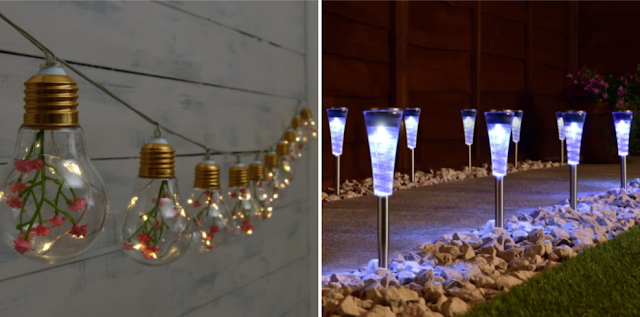
Garden solar lights

10 Solar Floral Lightbulb String Lights - £10.00

These 10 Solar Floral Lightbulb String Lights are perfect for wrapping round trees, hanging from branches and bushes & decorating decking areas. I think they are so pretty.

Solar Powered Stainless Steel Post Lights - Cool White 15 pack. - £16.00

These solar powered post lights are perfect for lighting up patios, pathways, borders and driveways, switching on at dusk automaticaly, creating a gorgeous light show in your garden. These seem such a bargain price.


Welcome Owl Garden Ornament - £10.00

Gonk Garden Gnome - £6.00

Add some bubbly character and vibrant colour to your garden with this fabulous gnome ornament. Gonks are not just for Christmas. hehehe

Stone Effect Tortoise - £8.00

I am so tempted to buy this just because Ellie is in love with it. She has asked for it a couple of times and has tried to convince me to get it.

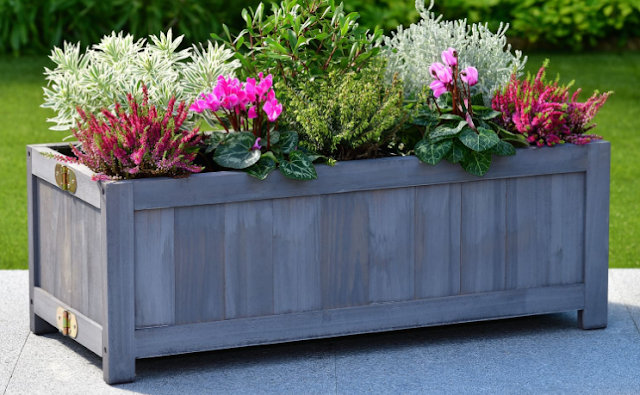
Wooden planter

Wooden Oblong Folding Planter - Grey - £20.00

This traditionally constructed solid wood planter will add charm and character to any garden or home. Perfect for grpwing all your favourite plants & flowers. Easy self assembly. Folds away for easy storage.

Dimensions: 70 x 30 x 25cm


Fruit Print Plate - Oranges - £1.50 

Add a fruity twist to your picnic basket with these beautiful fruit print plates.

Drinks Dispenser - £8.00

Take your favourite drink to the picnic with this fabulous fruit print drinks dispenser. It comes with three cups and has a tap at the bottom for easy pouring. And with its fold down handle, you can easily carry your refreshments on the go.

Fruit Print Tumbler - £2.00

Are you planning on buying anything new for your garden this year?

Wednesday, 22 March 2023

Gear up for an adventure with these handy gadgets!

It's officially Spring! Hooray! The weather should be improving soon, the clocks go back on Sunday which means lighter nights so there will be more chance to get outside. I thought I would share with you some fantastic gadgets specifically designed for outdoor use, perfect for when you want to explore the great outdoors.

Outdoor adventure

For all the adventurers out there, your outdoor escapades will now be more enjoyable and convenient with the RUGD Power Brick. An all in one Power Bank, Camping Light, and SOS light. This revolutionary device is here to make your outdoor trips hassle free as it packs in a lot of features that will allow you to be well prepared for any adventure. With its compact size, lightweight and powerful battery, it is the perfect companion for any intrepid explorer.

RUGD Power Brick

With the powerful 2 port fast charger you can charge up to 50% in just 30 minutes. Featuring 1 x USB-C 18W Input and Output port this fast charger is designed to make your life easier and more convenient. With its sleek design it's perfect for taking on the go with you wherever you go. Whether it's in your home or office, this fast charger will help keep your device running at optimal performance all day long. The RUGD Powerbrick is £41.99 from Rugdlife.

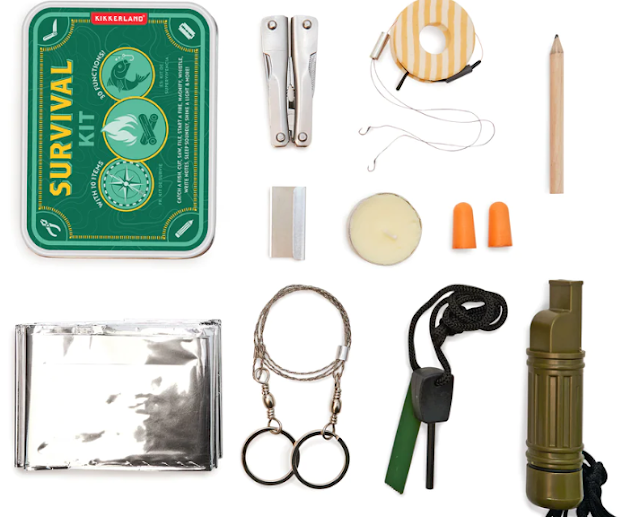
The Survival Kit from Kikkerland

Be prepared for any adventure! The Survival Kit from Kikkerland. It contains 10 items with 30 functions including: an emergency blanket, a wire hand saw, a 5 in 1 whistle, earplugs, a pencil, candle, flint & striker, a razor blade, a multi function knife, fish hook, line & bait. It costs £35 from Kikkerland. 

waterproof dry bag from Kikkerland

Keep your essentials dry with this waterproof bag from Kikkerland which is perfect for outdoor gear and tech. The Roll top closure provides reliable waterproof performance. Bring it along with you to the beach, picnic and all your outdoor adventures. It costs £10 from from Kikkerland.

White Marble Travel Cutlery & Straw Set

The White Marble Travel Cutlery & Straw Set which includes a fork, knife, spoon and collapsible straw comes in a stylish box, clipping all items in place, eliminating any rattles and keeping everything clean and hygienic, right in your bag. Designed to be stylish and playful while giving you the convenience of having cutlery and a straw wherever you go and stopping single use forever. The full Sized Travel Cutlery Set is £27 from Mnched. 

What gadgets would you recommend for outdoor adventures?