Showing posts with label Health. Show all posts

Thursday, 15 May 2025

Mental Health Awareness Week: Community and parenting older kids!

It is Mental Health Awareness Week and this year, the 2025 theme is Community! It is a word that feels more important than ever. As a parent of teenage girls I’ve came to realise just how much community matters when it comes to supporting not only their mental health but mine too. We all need a little help sometimes!

a black and white photo of the word mental health

Raising teenagers and being there for young adults is no small task! There is so much pressure on them now with social media, academic pressure, body image struggles and friendship dramas. Then throw in anxiety, mood swings, occasional slamming of doors and the eternal "I’m fine" when you know full well they’re not. It can feel overwhelming but we're not in it alone and that’s where community comes in!

When we think of the word community we often imagine neighbours, schools or local groups and it can be those things but community is also about connection, the people you lean on, the ones who understand, the ones who remind you you’re not failing when everything feels like a mess.

As a parent over the years my community has included:

Other mums at the school gate who’ve whispered, "Mine’s the same. It’s not just you." It was such a reassurance to know I wasn't in this parenting lark alone.
Online groups on blogs where parents share their worries, wins and occasional cries in the car. It is good to connect with real people who are going through the same things.
Teachers, youth workers and counsellors who’ve taken the time to see my girls for who they are!
And, surprisingly even the girls themselves when they open up and remind me just how strong, insightful and emotionally intelligent this generation can be.

Teens and young adults today are navigating a minefield of emotional challenges. Social media has given them access to constant comparison, unrealistic beauty standards and the pressure to be on it all the time. It has caused no end of drama, worry and stress for my family over the years, sometimes I do wish I could just take it away from them. In the past I have but they are at an age now where they are more sensible in how they use it and realise that not everything they read and see online is true. Then you add in the stress of school, college friendships, hormones and a world that feels increasingly uncertain, it’s really no wonder they’re struggling!

As a mum, I’ve had late night chats that started with “I’m just tired” and turned into deep heart to hearts where everything has came pouring out. I’ve watched my girls spiral from small worries into big anxieties and I’ve felt helpless, wanting to take away their pain but not always knowing how. That’s why community is so important because when our kids feel supported, connected and safe they cope better and when we feel supported, we’re able to help them more!

Community starts in the home. We’re their first safe space for out teenagers and young adults even if they sometimes act like we’re the last people they want to talk to. Here are a few things we try in my home:

Open conversations! Not just asking how was your day but what’s been on your mind lately or has anything felt tricky today? Anything can be talked about here!

We have a no judgement zone! I remind them and myself that it’s okay to feel angry, sad, confused or just “meh. All those feelings that we feel are valid!

Celebrate the small wins! Getting out of bed on a tough day, speaking up in class, sending a tricky message to a friend all of those things matter and if they bring a positive result they are a win!

Encourage rest! Not every hour needs to be productive, we all need some down time!

Model self care! I try to show them what taking care of myself looks like whether that’s saying no, taking a walk or doing something just because it makes me happy!

While we’re busy trying to be our teenagers and young adults rocks, we often forget that we need support too. Parenting teens can be lonely at times especially when you don't have that connection with other mums at the school gates. It was so much easier when they were little and I would speak to other mums, now I don't know the parents of my daughters friends as I am not at the school gates. 

Mental Health Awareness Week is a good excuse to reach out and reconnect. Maybe it’s checking in with another parent you haven’t heard from in a while, maybe it’s attending a workshop or finding a podcast or book that speaks to you, about what you are experiencing! Connecting with other parents even if it’s just in a online group can be a lifeline.

The more we talk about parenting and mental health the less alone we all feel. This week is a reminder that we don’t have to do this parenting thing in isolation. We’re allowed to ask for help, we’re allowed to not have all the answers and we’re allowed to admit when we’re struggling. Our teenagers and young adults are watching us more closely than we realise. When they see us leaning on others, building supportive friendships, talking honestly about mental health it gives them permission to do the same.

If you’re struggling, please know you’re not alone. There’s support available and it’s okay to ask for it. Whether it’s a GP, a therapist, a local support group or a charity helpline help is out there and it can get better!

Some useful links:

YoungMinds offers Mental health advice, guides, blogs and a find help tool. Great for both young people and parents.

The Mix offers articles, discussion boards, live chat, and a crisis messenger for under-25s.

Kooth offers free, anonymous online counselling and support. Available through most UK postcodes.

Papyrus for suicide prevention in young people, it offers support for young people struggling with thoughts of suicide and for parents/carers.

Tuesday, 6 May 2025

Deaf Awareness Week 2025!

Yesterday was the start of Deaf Awareness Week and it is an important time to reflect on the experiences of those who are deaf or hard of hearing and to raise awareness of the challenges that they face daily.

deaf ignorant ignorance dream world

My youngest Ellie was born with some hearing loss in her right ear, it was just one of those things that happen. The doctors diagnosed her with Auditory Neuropathy which is a hearing disorder where the ear detects sound normally, but there's a problem transmitting it to the brain. The consultant explained it to us saying everything works but there is just a loose connection somewhere. When Ellie had her heart surgery it caused some tiny bleeds on her brain and she lost the last 5% of hearing that she had in that ear.

As challenging as Ellie's life is she found the most difficult time during the pandemic when everyone was wearing masks. It was only then that both her and me realised how much she relies on lip reading. It was a struggle.

Ellie doesn't let her deafness define her, it is a part of her life and she just gets on with it. She’s never let her hearing loss stop her from doing the things she loves or from achieving the same goals as her peers but that doesn’t mean it’s always easy. Ellie often fights against the help that she is offered. Like when she was in secondary school due to take her GCSE exams she was offered extra time in the exams and didn't want it but a lovely teacher convinced her that she might as well take that time and it really did help her out. She was given a hearing aid a few years ago and just didn't get on with them so she stopped wearing them and returned them. I think she was deaf in one ear for so long hearing more just messed with her brain and it was just too much for her to process.

Sometimes the simplest things can be a struggle for Ellie. For example, in a crowded room with voices all around it’s difficult for her to pick up on what someone is saying or where a sound is coming from. When people speak too quickly or don’t face her directly she may miss key parts of the conversation. Group settings can be overwhelming and it can be frustrating for her when she has to keep asking people to repeat themselves.

Even activities that seem straightforward like hearing an alarm clock, hearing me shout her from another room or even using wireless headphones pose challenges, she only ever uses one. hehehe. She really doesn't do well hearing people on the phone and has to have it on speakerphone which makes it awkward if she is at college or out and about. Despite these struggles she keeps moving forward, learning ways to adapt and finding solutions to make things easier for herself.

It’s important to be aware that these challenges aren’t always visible to others. Ellie might look like she’s simply daydreaming but in reality, she’s working hard to tune in to what’s happening around her and that’s where awareness and understanding from those around her can make all the difference.

How to help when interacting with deaf or hard of hearing people!

I want to share a few tips on how we can all make it easier for people who are deaf or hard of hearing to engage in conversations, navigate daily life and feel included.

Face them directly when speaking!
It may seem like a small thing but for those who are deaf or hard of hearing being able to see someone's lips and facial expressions can make a huge difference. When speaking to someone with a hearing loss, face them directly and avoid speaking while turned away or with your hand over your mouth. This simple gesture helps them understand what’s being said, even if they can't hear every word.

Keep the noise levels in mind!
Background noise can make it extremely difficult for someone who is hard of hearing to understand what’s going on. Whether you're in a busy restaurant, at a party or in a crowded public space be mindful of your surroundings. Try to find a quieter place to talk or reduce unnecessary noise when possible. It can go a long way in making someone feel heard.

Be patient and willing to repeat yourself!
It’s easy to get frustrated when someone asks you to repeat something, but for someone who is hard of hearing it’s often necessary. When they ask you to repeat yourself, do so with patience and kindness. If needed, rephrase what you said in a clearer way, sometimes hearing the message in a different form can help them understand better.

Use visual aids when possible!
There are many ways to communicate without relying solely on spoken words. If you’re having difficulty getting your point across, try writing a note, text messages or even gestures. Visual aids can be incredibly helpful, especially when there’s a language barrier. Be open to using whatever works best for the situation.

Be respectful and understanding!
The most important thing is to approach every interaction with respect and understanding. People with hearing loss face unique challenges that require patience and empathy. Just because someone is deaf or hard of hearing doesn’t mean they aren’t fully capable of engaging in conversations or enjoying the same experiences as others. It just may require a little extra effort.

Do you know anyone who is deaf or hard of hearing?

Tuesday, 31 December 2024

Sip, don’t slip! How to conquer dry January with ease!

Dry January has become a popular way to kick off the new year with a reset for both mind and body. Last year Stu and I joined in with it and we didn't drink alcohol for the whole of January, February and some of March.

The idea is simple: take a month long break from alcohol but while the idea is straightforward, carrying it out can sometimes be challenging especially if you’re used to a social life where drinks are the norm or you’re unwinding at the end of a long day with a glass of wine.

wine glasses

Here are some ideas to help with Dry January!

Set a clear intention!
Before starting Dry January it helps to have a clear why! Are you doing it to improve your health, save money or see how your body feels without alcohol? Maybe it’s a combination of reasons. When you know why you’re doing something, it’s easier to stick with it. For us it was just about having a break after the excess of the Christmas and saving a bit of money.

Prepare your home!
Out of sight, out of mind! Remove any temptations from your home by storing or donating any alcohol you have lying around. If you’re someone who enjoys a drink as part of your evening ritual, replace it with something new. Stock up on herbal teas, sparkling water or alcohol free alternatives. There are some fantastic booze free wines, beers and spirits available that can make the change feel less daunting.

Plan alcohol free social activities!
One of the trickiest parts of Dry January can be navigating social situations. Let your friends and family know you’re taking a break from drinking so they can support you or plan activities that don’t centre around alcohol. Instead of meeting at a pub suggest going for a coffee instead. Having a plan helps you avoid those awkward moments when someone asks, “Why aren’t you drinking?”

Find delicious non-alcoholic alternatives!
Gone are the days when your only non-alcoholic options were fizzy pop or juice. The market for alcohol free drinks has exploded with options that mimic alcoholic drinks. Try alcohol free gins, wines or craft beers. I found some great offers on alcohol free mocktails in January as the supermarkets were on board with the Dry January thing.

Track Your Progress!
Keeping track of your Dry January journey can be incredibly motivating. Use a journal or an app to note how you’re feeling each day and the positive changes you’re noticing. Many people report better sleep, improved mood, clearer skin and more energy after a few weeks without alcohol. Seeing these benefits written down can make you feel great! I had more energy and felt fab on a Sunday morning waking up without a fuzzy head! 

Focus on self care!
Without alcohol in the picture, you might find yourself with more time and energy to devote to other forms of self care. Pick up a new hobby, dive into a good book or treat yourself to a long bath. Use this month as an opportunity to prioritise your well being and find new ways to relax and unwind that don’t involve alcohol.

Celebrate your wins!
Every day you choose not to drink is an achievement. Celebrate your progress and reward yourself in healthy ways. Maybe you’ve saved money by not buying drinks, use those savings to treat yourself to something you’ve been wanting or simply take a moment to reflect on how proud you are of sticking to your commitment!

 Think beyond January!
As Dry January comes to an end, you might feel tempted to dive back into old habits. Take some time to reflect on how the month went. Did you notice significant changes in your health, mood, or daily routine? Perhaps you’ll decide to continue drinking less frequently or keep certain alcohol-free habits you’ve enjoyed. It doesn’t have to be all or nothing.

Are you taking part in Dry January?

Wednesday, 17 July 2024

Fun tips to keep hydrated all day long!

Although the weather hasn't been scorching hot here so far this summer we are all about staying hydrated! After Ellie's little stay in hospital for being dehydrated (mostly down to alcohol but partly down to the heat). I keep banging on about drinking enough and my dad is sick of listening to me. He doesn't drink enough, not enough water anyway, he is more a coffee drinker.

Staying hydrated is crucial for maintaining overall health and well being. Our bodies are about 60% water, and we need this vital fluid for various functions. Keeping hydrated is not just about guzzling down gallons of water, it’s about making hydration fun and part of your daily routine. These tips will help you stay refreshed and hydrated.

clear drinking bottle filled with water

Carry a Fun Water Bottle
Let’s face it, a cute water bottle makes all the difference. Invest in a bottle that makes you smile every time you see it. Whether it’s covered in glitter, has your favourite characters on or even a motivational quote. A fun bottle will remind you to take a sip regularly.

Fruity Water!
Plain water is great but you can jazz it up a little. Add slices of lemon, cucumber, strawberries, or mint leaves to your water. Not only does it add a burst of flavour, it looks pretty too!

Remind yourself!
We all get caught up in our day and forget to drink. Set hourly reminders on your phone or download a hydration app. Some apps even turn drinking water into a game the more you drink, the more virtual plants you grow!

Eat Your Water!
Did you know that you can eat your water too? Munch on fruits and veggies with high water content like watermelon, cucumber, oranges and strawberries. It’s a delicious way to boost your hydration levels.

Make it a Ritual!
Start and end your day with a glass of water. Make it part of your daily rituals like brushing your teeth. Drinking water in the morning kick starts your metabolism and a glass before bed keeps you hydrated through the night.

Make Water Accessible!
Place water bottles or glasses of water in key areas around your home or office, next to your bed, on your desk, and in the kitchen. The more accessible it is, the more likely you are to drink it.

Tie it to Tasks!
Associate drinking water with routine tasks. For example drink a glass every time you finish a meeting, before meals or after bathroom breaks. It’s all about creating habits.

Healthy Hydration Alternatives!
If you’re not a fan of plain water, try other hydrating beverages like coconut water, herbal teas, or low sugar electrolyte drinks. They can add variety and make hydration more enjoyable.

Team Up!
Everything’s more fun with friends! Encourage your friends, family or co-workers to join you in a hydration challenge. Keep track of each other’s progress and motivate one another to stay on track.

Listen to Your Body!
Your body gives you signals when it needs water. Dry mouth, headaches, dark yellow urine and fatigue are all signs you might be dehydrated. Keep an eye out and drink up when you notice these signs.

Staying hydrated doesn’t have to be a chore. With these fun and easy tips you’ll be well on your way to meeting your hydration goals and feeling fantastic.

Do you always stay well hydrated?

Tuesday, 20 February 2024

She doesn't want her hearing aids.

My youngest Ellie has been deaf in her right ear almost from when she was born, the hospital couldn't get a clear result until she was almost 3 years old. I blogged about her hearing loss in further detail a few years ago. Years ago the only option for help with her hearing was a cochlear implant which might or might not have worked. It was a 50/50 chance and after having open heart surgery to fix a hole in her heart I didn't want to put her through more surgery on the off chance it might work.

Hearing aids

Medical things change and when we moved to Scunthorpe we saw a couple of different doctors and one mentioned Cros hearing aids. No surgery was involved, she could use them as much or as little as we wanted so it was worth a try. Ellie got her hearing aids at the end of 2022 and to start with she got on great with them.

I don't know what happened but she started wearing them less and less. She would conveniently forget them when she was at school or leave the house with them in and come home with them in her blazer pocket. It wasn't anything which was going on at school, she just didn't want to wear them all of the time and over time she has worn them less and less.

All she has known for 16 years is being deaf in one ear so going from being half deaf to hearing everything, I imagine it was a lot to deal with!

When Ellie was at school I had the teachers to back me up and make sure that she had her hearing aids in but since she has started college it is different, I have to accept that she is almost an adult and makes her own choices. Her choice is that she doesn't want to wear her hearing aids, she has said the extra noise is just too much for her brain!

I think teenagers have a lot to deal with in the world and adding something like extra noise, chatter and sounds which come with the hearing aid is something that can be just too much. Sometimes I think I would like to be able to turn off all the extra noise. On Saturday sitting on the bus, the guy who didn't stop for breath behind me chatting all the way to town, the screaming child who wanted to run around the bus or the idiot person who had their phone playing TikToks for everyone to hear. If you can turn the excess noise off why wouldn't you?

I was dreading going to the hospital for her latest hearing check last week! I thought they were going to say I was a bad mother or that Ellie was just being stupid for not wearing something that she knows helps her. The woman that we saw was absolutely brilliant and very understanding. I over explained where we are now and how Ellie doesn't want her hearing aids and she said that's fine and many people her age don't but of course she can come back and get hearing aids if she feels that she wants them in the future. So the hearing aids have been returned to the hospital and the doctor was really grateful as most people don't return them if they are unused which I think is a sad shame as they can be used for other people.

Ellie has grown up being deaf in one ear and she is used to it. She can lip read pretty well, is confident at asking someone to repeat themselves and just gets on with life. I am proud that she has made the decision for herself. Yes, I would have liked her to wear her hearing aids but I am not her and this thing is her choice. 

Wednesday, 7 June 2023

How to sleep better during Hay Fever season!

I always find it hard to sleep when the weather gets warmer, it's always roasting in our bedroom and suffering with hay fever just adds to my problems. Having a a blocked and runny nose, sneezing and itchy eyes is no fun at all and it always seems worse when I wake up on a morning.

You would think that hay fever would ease off during the night but have you heard of the pollen shower phenomenon? This is when during the day hot air rises and pollen is carried alongside it. At night the air cools down and the pollen then falls with the air, so this is why you are more likely to wake up with hay fever symptoms.

Tissues

Sleeping with hay fever and allergies is no fun at all but as the old saying goes prevention is better than cure. So here are some ideas to stop hay fever and allergies ruining your sleep.

Take an antihistamine 30 minutes before going to bed.
This will help keep allergies at bay throughout the night, allowing for a more peaceful sleep.

Don’t dry clothes on an outside washing line.
When coping with hay fever symptoms you might need to change some of your washing habits. After doing the wash avoid drying your clothes pj's and your bedsheets outside on the line in the fresh air where dust and pollen might settle on them. Instead, use a tumble dryer or indoor airer's to dry them.

Vacuum your mattress.
Every week, vacuum your mattress. To be absolutely certain that absolutely no traces of allergies are left to haunt your dreams, you should hoover your mattress once a week. And remember to flip it over so you can vacuum both sides.

Put a spare sheet over your duvet. 
By covering your duvet you create a pollen barrier that will help keep allergens from accumulating on your mattress. Just take it off before going to bed.

Shower before bed.
While you are outside pollen has a chance of sticking to your hair and getting on your pillowcase. The easiest approach to keep pollen out of your bedroom is to wash your hair every evening. As an alternative, you may try using a leave-in conditioner, which will make it more difficult for pollen to stick to your hair during the day. 

Keep your bedroom window closed.
This may seem like an obvious one but keep your windows shut during the day and at night to stop pollen from getting into the bedroom. If you sleep with the window open you are just letting pollen in. As I mentioned earlier, pollen isn’t just active when the sun’s out. To help keep your bedroom cool, close you curtains during warm days and invest in a fan, you can get quiet one's which won't disturb your sleep.

Go to bed earlier.
If you can, go to bed earlier. Hay fever symptoms tend to worsen in the early hours of the morning, so perhaps having an early night to counteract this disturbed sleep may help.

Invest in an air purifier.
Air purifiers improve the air we breathe by trapping and removing airborne pollutants in the home, such as dust mites, pollen and pet hair, so they are ideal for hay fever sufferers.

Have you any tips to share?

Tuesday, 7 February 2023

Congenital Heart Defect Awareness Week 2023!

Every year from the 7th to the 14th of February is Congenital Heart Defect Awareness Week. It is here to promote awareness and provides education about congenital heart defects. (CHDs). I am not just jumping on a bandwagon and a cause, I have had first hand experience of heart defects which I will come to in a moment.

Heart with a plaster on

A congenital heart defect results when the heart or blood vessels near the heart doesn't develop normally. It’s the most common birth defect in babies and more than 1 million babies worldwide are born each year with a congenital heart defect. It’s the most common birth defect and the most common cause of infant death among birth defects.

There are several types of CHD. Some of the most common include: Ventricular septal defects, Atrial septal defects, Tetralogy of Fallot (TOF), Pulmonary valve stenosis, Patent ductus arteriosus, Dextro-transposition of the great arteries (D-TGA), Aortic valve stenosis, Single ventricle defects, such as double outlet right ventricle (DORV) and hypoplastic left heart syndrome (HLHS) and some babies are born with more than one defect.

I had a hole in my heart from when I was born and that was discovered when I fell down the stairs and broke my arm when I was about 4 years old. I didn't need surgery.  My girls were born with heart defects too. The girls heart issues were only discovered when Becky pushed a door shut on Ellie's fingers and she needed surgery to fix them. You can read our full story here which I shared years ago.

Both of my girls had Atrioventricular septal defects (AVSD's). An atrioventricular septal defect is a large hole between the upper filling chambers (atria) and the lower pumping chambers (ventricles) of the heart. The hole allows more blood to flow from the left side of the heart to the right. This increases the pressure of the blood travelling to the lungs, making the right hand-side of the heart work harder and function less well. After their heart surgery they were left with leaking heart valves.

Tiny Tickers

Charities like Tiny Tickers want to increase early detection rates of cardiac conditions so they are not missed like my girls heart defects were missed during my pregnancies and when they were new born's. 

The causes of congenital heart defects among most babies are unknown. Some babies have heart defects because of changes in their genes or chromosomes. We have looked into what caused my girls heart defects and nobody knows. It could be a faulty gene from me, it has to be from me as the girls both have different father's or it could just be bad luck. There is no real way to know. The girls can choose to have tests when they were older but I wasn't going to push them into it a few years ago. It is only really going to effect them when they have their own children and then they will be monitored closely.

The CHD symptoms depend on the type of defect in the heart defect but the most common symptoms can include: Bluish lips, skin, fingers, and toes, breathlessness or trouble breathing, feeding difficulties, low birth weight, chest pain, delayed growth and a small size or low body weight, abnormal heart rhythms, dizziness, trouble breathing, fainting, swelling and fatigue.

Before Becky's heart defect was discovered she was really thin and did have blueish lips but we just that down to her always feeling the cold. Ellie showed none of the main symptoms but did sweat a lot as a baby, we know now that it was because her heart was working more than it should have been.

Children with minor heart defects may not need any treatment, some may heal on their own with time but some that have serious symptoms may need medical or surgical treatment within the first year of life. The treatment depends on the type and severity of the heart defect. In these cases, treatment may include the following:

Medications.
There are various medications that can help the heart work more efficiently. Some can also be used to prevent blood clots from forming or to control an irregular heartbeat.

Implantable Heart Devices.
Some of the complications associated with congenital heart defects can be prevented with the use of certain devices, including pacemakers, defibrillators (ICDs). A pacemaker can help regulate an abnormal heart rate, and an ICD may correct life-threatening irregular heartbeats.

Catheter Procedures.
Catheterization techniques allow doctors to repair certain congenital heart defects without surgically opening the chest and heart. During these procedures, the doctor will insert a thin tube into a vein in the leg and guide it up to the heart. Once the catheter is in the correct position, the doctor will use small tools threaded through the catheter to correct the defect.

Open-Heart Surgery.
This type of surgery may be needed if catheter procedures aren't enough to repair a congenital heart defect. A surgeon may perform open-heart surgery to close holes in the heart, repair heart valves, or widen blood vessels.

Heart Transplant.
In the rare cases in which a congenital heart defect is too complex to fix a heart transplant may be needed.

Regular follow up appointment are needed just to check on the heart, even if the patient has had successful surgery and is leading a very normal life. My girls used to go for a check up every year and at their last appointments Ellie was given 2 years without an appointment and Becky 3 which is real progress. They will have appointments for the rest of their lives because of the way their hearts are. In the past there has been talk of more surgery to fix the leaking valves which they were left with but their valves haven't changed in the last 5 years so surgery may not be needed.

Hearing that your child has a heart condition is devastating but remember that surgical outcomes in the UK are some of the best in the world and the vast majority of babies born with CHD survive into adulthood and live normal lives! Doctors now expect that around 96 percent of people who get a CHD diagnosis and receive hospital treatment will survive.

Have you heard of Congenital Heart Defects before?

Wednesday, 25 January 2023

(Ad - Gifted) Active Iron Supplement! - Review!

Iron helps the body to make healthy red blood cells, which carry oxygen around the body. Some things such as blood loss, pregnancy or too little iron in your diet can make your iron supply drop too low, leading to anaemia. I had a feeling I was a little anaemic at the end of last year and over the last few weeks. I was due to get my contraceptive implant changed and my periods always go a little haywire when it is that time. My doctor says it's completely normal but it's no fun when I am feeling blah and have no energy.

Recently I was sent an iron supplement called Active Iron to try out. When I was getting my contraceptive implant changed at the start of last week I showed my doctor the iron supplement and he said something like that is great for taking if you have heavy periods. I knew that but just wanted some reassurance.

Active Iron Supplement

Clinically proven to increase iron levels, the Active Iron supplement decreases fatigue and improves energy.

Inadequate iron levels resulting from menstrual blood loss can cause lower energy levels. 49% of women experience tiredness and fatigue, according to an Active Iron survey of 2,400 women in the UK and Ireland. Monthly periods are the most common cause of iron loss worldwide and research shows that women of childbearing age need up to 2X more daily iron than men.

Active Iron packet

Iron Supports:
Blood Building - Formation of haemoglobin & red blood cells.
Energy -  Normal energy yielding metabolism and the reduction of tiredness and fatigue.
Cognitive Function - Normal cognitive function.
Immunity - Normal function of the immune system.
Oxygen Transport - Oxygen transport in the body.

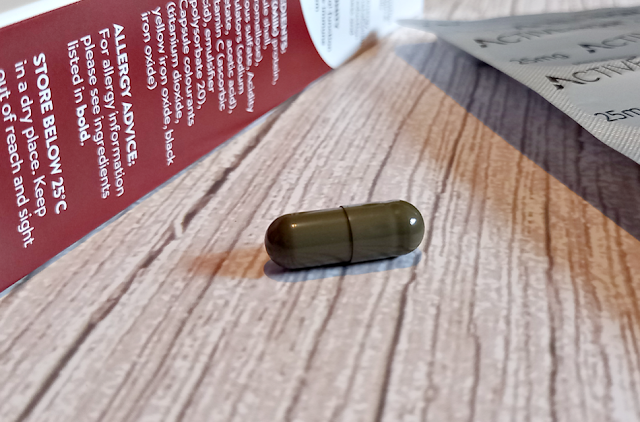
I have been trying out the Active Iron supplement for just over a week and so far so good. The capsules don't look that appealing but they are easy to swallow. I have had no side effects at all I have read that they take a few weeks to have an effect on energy levels so I am keeping my fingers crossed for that. 

Active Iron supplement tab

Many people complain of side effects from poorly absorbed iron supplements. One way to combat this problem is taking vitamin C along with your iron supplement. However, Active Iron doesn’t have this issue. Active Iron works synergistically with your body to ensure you get the right amount of iron while being gentle on your stomach. In the past when I have taken iron supplements I have felt a little constipated but so far with these I have had no issues at all.

Active Iron is also perfect for those who have restricted diets including vegetarians to keep iron levels up. Free from artificial colours and preservatives, gluten and sugar it is suitable for vegetarians, coeliacs and during pregnancy.

Active Iron can be purchased directly from their website, priced at £16 for a 30 pack of capsules. 

I was sent some packets of Active Iron free of charge in exchange for this blog post.

Tuesday, 24 January 2023

How my youngest is getting on with her hearing aids.

Ellie finally got her hearing aids a couple of weeks before Christmas. They were a long time coming, she was waiting for them for around 10 months because the doctor didn't refer her to the right department but they have been worth the wait and she has taken to them like a duck to water.

Cros hearing aids

The hearing aids that Ellie has are CROS hearing aidsA CROS hearing aid is a special type of hearing aid for people who have little to no hearing in one ear and have normal hearing in the other ear. CROS stands for Contralateral Routing of Sound.

With CROS hearing aids, sound is wirelessly transmitted from the deaf ear into the better ear. What looks like a conventional hearing aid is worn on the deaf ear, but this is a microphone only. This microphone picks up sound from your poorer side and sends it wirelessly into a conventional hearing aid on your better ear. It is then heard and processed by the brain. 

Ellie's appointment with the audiologist to get her hearing aids took around 40 minutes. The man went over everything we needed to know about them. We were shown how to change the tubes which need changing every few months and the batteries which need changing every 4 or so days in one side and about once a week in the other. Ellie was shown how to clean them and most importantly how to put them on. She did it first try which doesn't usually happen. hehehe When she put them in and they were switched on it was emotional to see. She described it perfectly, it was like sitting in a dark room and someone switching on a light. Everything became clear and made a little more sense.

Wearing the hearing aid now means that Ellie can hear sounds from both sides without her turning her head, they don't help her realise where a sound is coming from but she can at least hear the sound now.

Apparently Ellie was supposed to start off wearing the hearing aids as long as she could and then give herself a break from them when everything became too much but she hasn't hit that point yet. She takes them off for bed, when she is in the bath and when she's on her computer with headphones on but she has been wearing them all day with no problems, headaches or having any sensory overload issues.

It sounds dramatic to say these hearing aids have changed Ellie's life already but they have. She is hearing much more and it makes conversations with her much easier. If we were on a bus and she had her bad ear towards me she would struggle to have a conversation. Now she doesn't miss a word. She was at school and her teacher was stood at her deaf side speaking and the teacher is a good one, when she finished speaking she went to make sure that Ellie knew what she was doing but because of hearing aid she had heard everything, clearly! I am sure the hearing aids will really help her at school. She came home on the last day of school before the Christmas holidays and said she had to turn her hearing aid down because she didn't realise how loud people were when they were typing on the keyboard on the computer.

I am so happy for Ellie and it is amazing how some wires and a little bit of plastic can change her life so much. We are back at the hospital in February for a check up and to see how she's getting on with the hearing aids but I can't see there being any problems apart from sometimes forgetting to put them on.

Tuesday, 22 November 2022

Finally a hearing appointment.

Way, way back in January Ellie had her yearly hearing check. She is deaf in one ear and gets the good ear checked to make sure it's still good. It was a good appointment as she was offered a CROS hearing aid. She wouldn't need surgery and wouldn't need to miss much school. We were told that she needed a MRI scan which could be done on the same day that she is fitted for her hearing aids. That didn't happen. They decided they wanted to see the results from the MRI before giving her the hearing aid in case they found something which meant the hearing aid wouldn't work which was fair enough.

my youngest on a fairground ride

We went for the MRI scan a couple of weeks later and it showed that she had a few tiny, old bleeds on her brain. We were shocked to say the least the the doctor was less than helpful, he told us nothing apart that Ellie needed to see a neurosurgeon, he would refer us and refer Ellie to get her hearing aid. He wasn't the nicest man, could hardly string a sentence together, didn't answer any of our questions, reassure us or show us any care. The nurse did most of the talking and tried her best.

Eight months later we were still waiting. We did have an electronic letter saying we're still on a waiting list and will be seen soon, it turns out that wasn't for either of the appointments the doctor referred us for, it was for something else. Thankfully we saw Ellie's cardiologist for a check on her heart in March and he said the bleeds were most likely caused by her heart defect either before or during her open heart surgery. It's apparently quite common and that put our minds at rest a little.

Ellie has a wonderful lady who goes into school a few times a year to check she is getting the support that she needs and she always rings me to let me know she's going to see Ellie and she asked if we had any hearing issues and I mentioned the wait time at the hospital and she said that wasn't right, she would chase it up. She did and said that the ENT department had not referred Ellie back to Audiology so she was sat in limbo. She told me to give them a ring and have words which I did. The lovely receptionist at the hospital was fantastic and could see where we should have been referred back to Audiology and can't understand why we weren't. I have a good idea, that useless doctor. I am all for people working into their 70's or 80's but when they are not doing their job properly it's dangerous. 

I rang on the Friday and we had the appointment on the Wednesday. It went really well in the Audiology department. Ellie had another hearing test and they tested the hearing aid on her which she would be getting and it seems to really help her hear more. She now has an appointment in December to get it and tuned in so it is right for her. A month, that was the waiting time, not eight!!

hearing test

This is the latest results of Ellie's hearing test. On the right is her good ear with normal hearing and on the left her bad ear with no hearing. Those tests are hard to watch. Ellie has headphones on and presses a button when she hears a beep. When they test just her bad ear with a whooshing sound played into her good ear I can hear the beeps through the headphones, it's loud and Ellie can't hear it. It's sad.

We then saw a new doctor in the Ear, nose and throat department who thought Ellie already had her hearing aid as she should have by now. hahaha I explained everything and It turns out the old doctor hadn't been making referrals to other departments for people that he had been seeing! He wasn't doing his job properly. Thankfully for us it wasn't a matter of life and death but for others I dread to think. I was furious but I think I dealt with it pretty well when I was speaking to the doctor. There was a point where I had to hold my hands together because I was starting to wave them around and it's a good job I had a mask on as for a moment I was stood there with my mouth open in shock when he said the doctor is no longer working at the hospital. 

The waiting list for a neuro appointment is about 6 or so months so I said that's no good, we've been waiting 8 already, it's not our fault that the hospital/doctor messed up. The new doctor said he is going to explain everything to Sheffield hospital and will aim to get us seen early in the new year. He also said we had to go to Sheffield which I wasn't happy about as it is quite a distance and the old doctor said we only had to go as far as Hull so he is going to push for a telephone consultation first. I have a feeling we would get all of the way to Sheffield, they would read Ellie's notes on the day and then say it's nothing to worry about as the bleeds were caused by her heart defect/surgery and tell us to go on our way. Two and a half hours there and then back again is a lot of time, money and effort just for a 10 minute appointment. At least if they read her notes before they phone call they will know Ellie's medical history. The new doctor did say that they might want to redo her MRI scan as they don't always trust things from Scunthorpe hospital. I can see why, I don't trust them!

I asked the doctor if we hadn't of rang and chased the appointments up how long would we have been waiting, he just shrugged his shoulders. I can't knock the new doctor, he is just picking up the pieces that the old doctor left. He was apologetic, I kept having to tell myself it's not his fault, it is the fault of the hospital. In the end it has all came good, Ellie is finally getting sorted and that is all that I have ever wanted.

Wednesday, 2 November 2022

(Ad - Gifted) Body by James Davies - Book Review!

I don't know if it's my age, too much or not enough exercise but I have aches and pains. My back which always aches, some days I wake up with a sore neck after sleeping funny, I get the odd headache and random achy legs so when I had the chance to have a look at the book Body: Simple techniques and strategies to heal, reset and restore. I was very interested.

Body by James Davies

From stress and anxiety, to everyday wear and tear and injury, life takes its toll on our bodies. Now, internationally renowned osteopath James Davies can help you heal your body. This book is full of strategies to prevent pain and fuel your body to its fullest health potential.

Packed with stories and employing his 360-road map to well-being, James presents a new understanding of chronic pain, what needs to be done, and where to find further help. Using simple and practical methods, James shows you how to shield your body from injury, understand and manage pain and puts you on the path of adopting full body health. 

Back of Body book

Included in this book are simple techniques and strategies to:

Heal
From stress and anxiety, to everyday wear and tear and injury, life takes its toll on our bodies. Now, internationally renowned osteopath James Davies can help you heal your body.

Reset
With tips and tricks to help recognise, manage, and treat everyday aches and pains, this book will reset your approach to understanding your body. James presents a revolutionary blueprint for holistic body wellbeing.

Restore
Improve your wellbeing with exercises expertly designed to optimise your body. Enhance your health and mobility by understanding common conditions from arthritis and muscle strains, to IBS and stress, and empower yourself with the knowledge you need to achieve full-body health.

This is such a brilliant book. It isn't just for old people or those who suffer from chronic pain it is for anyone who wants to look after their body and learn a little more about it. It covers everything from head to foot.

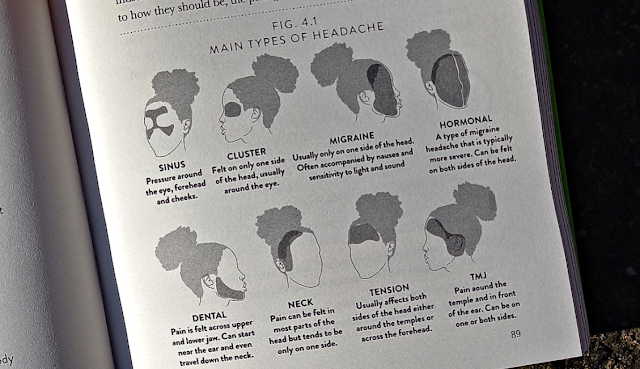
headaches in body book

I was fascinated by some of the advice in it. The way the book is written it is simple to understand and it is good to have something to reference when something isn't quite right with your body, those niggles we get which we know are not serious but annoy and frustrate us. It has lots of diagrams,  really helpful explanations and I have read plenty of things that I did not know about my own body. 

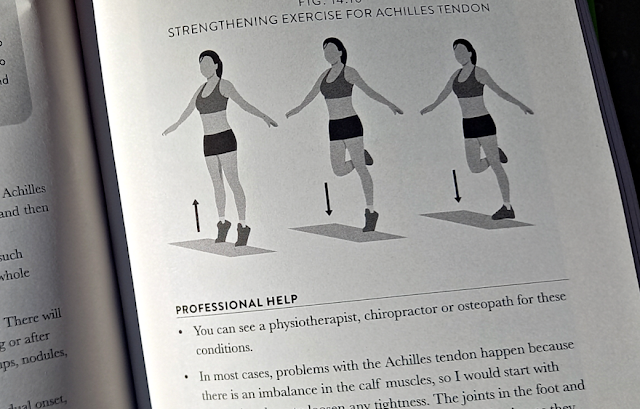
When I first picked it up and skimmed through it I saw the pages about legs and it was a good place to start since the backs of my legs have been sore for a couple of days. There were some exercises to try and they seem to be helping.

Achilles tendon exercise

The advice in this book isn't patronising, it feels like I can look at this book for minor ailments like achy legs instead of going to the doctor who will just tell me to lose weight and exercise more, which I am doing anyway. This book should of course be used as a supplement to health care rather than replacing the advice of medical professionals if you know that something is seriously wrong with you.

I think this would make a great addition to anyone's bookshelf and with Christmas coming up it could be fantastic for someone who is hard to buy for. You can buy this book from Amazon in hardback, paperback, kindle edition or Audio book.

I was sent the book Body by James Davies free of charge in exchange for this blog post.

Thursday, 6 October 2022

Our mental health! #Blogtober22

I am taking part in Blogtober 2022 and will be writing posts with various themes/prompts throughout October. Today's prompt is: Mental health!

My dad was here a few weeks ago and something came on the TV about mental health awareness and he said when he was my age there was no such thing as worrying about your mental health, you just got on with things. We came to the conclusion that people did suffer with mental health problems, they just didn't talk about them. He is from the generation of keep your chin up and just get on with things.

Mental health

1 in 4 people will experience a mental health problem of some kind each year and 1 in 6 people report experiencing a common mental health problem like anxiety and depression in any given week in England! Out of the four of us in my close family three of us have had mental health problems.

Ellie suffered with her mental health a lot a few years ago. It all stemmed from being bullied at school. She ended up being diagnosed with social anxiety after lots of appointments and chats with specialist people. I used to feel so sad for Ellie. All she wanted was to be part of a group and have lots of friends but the mean girls had other ideas and she was always left out of things. If you know Ellie now you would have never have guessed she ever had any mental health problems, it turns out moving house and a fresh start in a new school was what she needed. She still isn't the most confident person but she is getting there.

I have suffered from anxiety off and on for my whole life. I have never been the most confident person and I am a born worrier. My doctor has said I have mild PTSD from when my girls were diagnosed with their heart defects and had open heart surgery. I have learned to live with it and thankfully the girls are not having check ups as often so I am not reminded about it.

Too often, mental health problems are treated as a taboo subject, something not to be talked about like people of my dad's generation. However, mental health affects us all and we should feel able to talk about it. I don't think we could have got through everything as a family if we hadn't have been able to talk. The girls had teachers at school, as much as I hated being in hospital with my girls there was people to talk through my worries with and as a family the 4 of us are good at talking about our mental health. In fact Becky now thinks she is an expert since she has had lots of training at the care home where she works. hehehe

Do you talk to people about your mental health?

Tuesday, 23 August 2022

Thoughts about having Covid.

A few weeks ago we all caught Covid. Stu tested positive for on the Saturday, Becky and I the Tuesday morning and Ellie the Tuesday afternoon! I have had so many emotions and thoughts while we've all been testing positive and thought I would write some of them down.

Question marks

When Stu said he felt unwell I was worried as he is never ill, I knew it was Covid and the lines on the test just confirmed it. He slept on and off for 24 hours which again isn't like him.

If it wasn't for Stu being so ill we might have just put it down to a normal summer cold. The symptoms were the same.

Stu isolated as much as he could, I cleaned everything that I could and tried my best to keep us safe but it wasn't enough. I felt like I had let us all down but it was inevitable and I suppose it's better that we all caught it at the same time instead of dragging it out.

When I tested and saw the two lines I couldn't believe it as I didn't feel that unwell but it was expected. It was more of a shocker for Becky as she had no symptoms at all. A couple of years ago I didn't believe that lateral flow tests worked that well but now I have so much faith in them.

It feels like we are the last people to get Covid.

I am glad Becky's work took her seriously and her word that she had a positive test as before Christmas when Covid was in full swing and she had all the symptoms she was made to go in to work while she was ill, thankfully she was negative then but did get sent home anyway. Now they have just taken her word she is positive, although she would have been happy to go into work to take a test.

Day one of having Covid I felt tired but didn't want to go to bed because it felt like I was just running on adrenaline and I thought if I slept I would wake up feeling rotten but thankfully that didn't happen. 

I kept thinking is this it? I kept expecting us to all feel worse but we never did. Ellie has had worse bouts of hayfever!

Getting my period on day 2 of Covid was just an added extra pain to deal with.

I feel like I have missed out on my share of having to isolate, I would have quite liked to hide out in my bedroom, snoozing a little, sitting in bed with my laptop and being served food and drinks.

I did enjoy staying in my pj's for a few days.

I had to have an upsetting chat with Ellie. A couple of years ago one of her friends lost her mum to Covid and I think Ellie was really worried about Stu and I. I said that we have all been vaccinated and boosted since then, we have some protection from it and we are not as ill as her friends mum was. It was heart breaking.

I have been drinking plenty which is great but coughing, sneezing and needing a wee all at the same time is not fun.

Stu lost his sense of taste and smell for a couple of days, I thought I had too but then realised I couldn't smell because my nose was so blocked up.

I thought everyone with Covid lost their appetite? I didn't, if I wasn't eating I was thinking about my next meal which I suppose was a good thing, it meant that my body had enough energy to fight off the virus.

It turns out we can live on cereal, toast and ready meals. After a week we were craving proper home cooked food though.

Even though I wasn't that ill the exhaustion afterwards is real.

We didn't have to isolate, there is no rule saying we should now but we did! I wouldn't want to pass the virus on to anyone who was vulnerable.

I was the last to test negative and never thought I would just get that one line again. It did seem to drag on.

I am very grateful for the vaccinations and boosters that we had! I feel we got off so lightly with Covid.

Have you had Covid? How were you with it?